
In addition to combating negative beliefs with the truth, it is so important to take a look at your boundaries and make sure they are in a healthy place.
Here are a few examples of types of boundaries. See which one you tend to identify with the best:
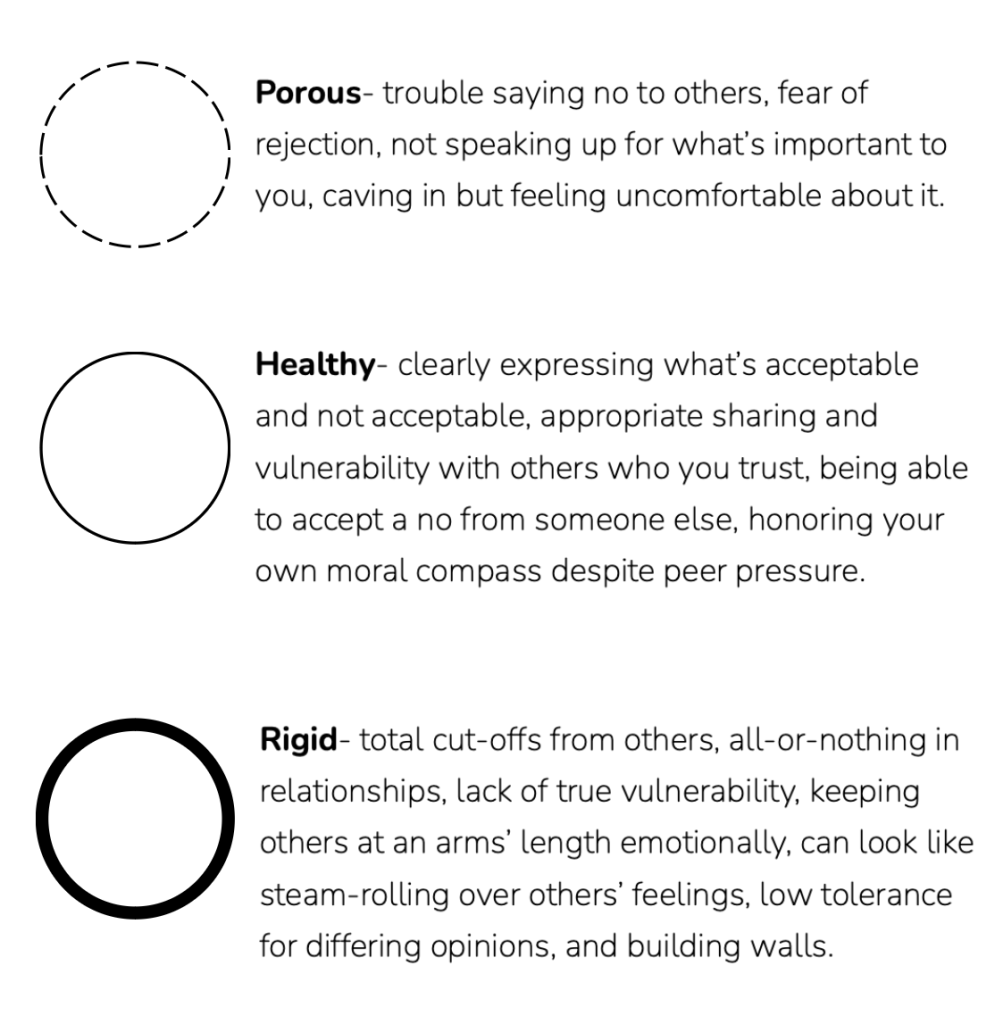
Reflect on your own boundaries. Where have your boundaries been porous, healthy, or rigid? Jot down some situations, people, examples that come to mind. Remind yourself that this is just a taking stock of where things are, not to judge yourself harshly. Let this be neutral, as best you can.
Some boundaries may be helpful or expected in some situations, such as totally cutting off a stalker, becoming much more accommodating than you’d like in a customer service role, etc.
Love and Fear in Setting Boundaries
Love and Fear have everything to do with setting healthy boundaries. Think about it. Porous boundaries are set because you are afraid of the other person. Maybe you’re afraid of disappointing them, afraid that they will refuse to talk to you if you ask for what you need. You may be in an abusive relational dynamic with them, where you are afraid that they will become angry with you or mistreat you if you ask for different boundaries. (If this sounds like you, it is not your fault. Please reach out to a friend, your doctor, or a therapist for help and support). Or, you might be afraid of being disappointed by them yet again, so you’ve learned to lower your expectations all the way to the floor, where people are still stepping on them. Love is transient when you have porous boundaries. It’s nice when it’s there, but you may not feel loved and respected the majority of the time. It’s not a fun place to be, and it certainly doesn’t feel like a safe place to be. You may even get to the point that you don’t have a firm answer for “who are you?”, “what kinds of things do you like?”, or “what are your hopes and dreams?”
When Rigid boundaries are set, love has been choked out of your life by the walls and boundaries you’ve set up. You may have been hurt so many times that it’s just easier not to feel anymore. Walls go up, and you aren’t open and vulnerable in relationships with others anymore, even safe ones. This sort of emotional insulation may be functional in a way, “protecting” you from being hurt by others. But it also leaves you cut off from others, unable to accept care and empathy.
Have you eaten a peach before and found the pit? A spiky, hard-shelled stone in the middle of a peach, it isn’t just something that you can bury in the ground and expect a peach tree to grow. You have to dry out the pit, crack it open carefully with pliers or a nutcracker (so as not to damage the tender seed inside), and go through a 6-week process of germinating the seed ALL before it can go into the ground and start to grow. This pit is a structure meant to protect the seed from being gobbled by a bird or squirrel before it has a chance to grow, but it will 100% prevent its’ growth without any intervention. Having rigid boundaries with everyone in your life is akin to paving over a beautiful garden with concrete, because you don’t want someone to step on the flowers.
In contract, healthy boundaries look like acknowledging that your needs and others’ needs are both important. It is speaking up for what you need in love, setting boundaries where they are needed. It’s not dumping your needs in the garbage; it’s loving your neighbor as yourself. Setting healthy boundaries may upset other people, but that doesn’t mean that you were wrong to set those boundaries. Even Jesus set boundaries with other people. At the end of a day of ministry, the gospels often describe Him as withdrawing by Himself to a quiet place to pray to His Father. Jesus was a man followed by massive crowds on a regular basis, people who wanted to hear him preach, see miracles, get healed, and more. Many, many people had big demands for His time! But He set boundaries around his time with God. He said “no” to what were good things (ministry, healings) to be able to say “yes” to what was better- connection with our Heavenly Father. And I’m sure that many people were disappointed by that. And yet Jesus never sinned. He loved perfectly, and “perfect love casts out fear” (1 John 4:18). Because of this, he was free to set healthy boundaries in the contexts of all relationships in his life.
It is not a bad thing to set healthy boundaries with others. In fact, the Bible urges us to “above everything else, guard your heart. It is where your life comes from” (Proverbs 4:32). We need God’s presence with us and His word to guard our hearts and help us live with healthy boundaries. The Lord says in Isaiah 26:3 that He gives true peace to people to trust in Him. We need His help to decipher if our boundaries are in the right place, and if not, what to do about it.
Our Stress Response System
One of the signals that the Father has given us to help us discern when boundaries have been crossed are emotions. When our boundaries (healthy, rigid, or porous) are crossed, you experience reactions. Anger, depression, sadness, apathy, or assertiveness may be emotions that you notice when your boundaries are crossed.
Side note here, emotions are not always reflective of reality. I can get all wound up that a friend is “intentionally” ignoring my phone calls and conclude that they must hate me now. But it could be that they accidentally dropped their phone in the toilet that day and couldn’t respond. We are warned that “the heart is deceptive and desperately wicked; who can understand it?” (Jeremiah 17:9). We can find ourselves triggered by a situation, but it could be that we had uncommunicated, unrealistic, or unfair expectations of the other party. This signaling system that God gave us, originally created good, has been tainted by sin and the fall. As such, our emotions need to be carefully examined and held up in prayer, not regarded as 100% reliable.
“Understand this, my Christian friends: We must all be careful to listen. We should not be too quick to speak. We should not get angry quickly.”
James 1:19
Building Awareness of our Emotional Reactions
It’s important to be discerning with our emotional reactions, not to be swept away with every stray breeze that blows. To understand your responses to crossed boundaries, I need to draw your attention to your awareness of your own self. Your experience in a stressful situation as it is happening. Just how upset are you? Are you still able to think and talk clearly? Or are you past that point of calm? Check out this graphic below that I use regularly with clients.
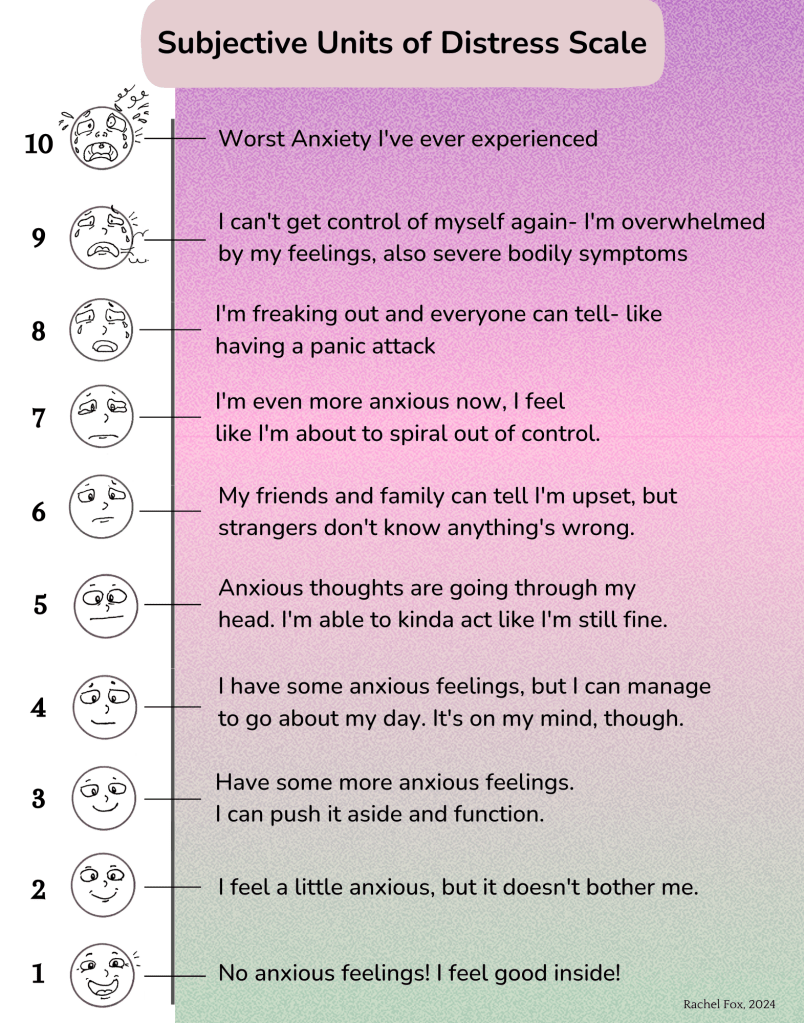
Between 1-7, it is much easier to think about and decide how you want to respond to an anxiety-provoking situation: set firmer boundaries, compromise, listen some more to the other person’s perspective, take a break, whatever you may want to do. You are much more in the drivers’ seat, acting in accordance with how you want to act and behave in that stressful situation.
However, once you hit around 7 and above, your brain switches on the stress response system, the thinking brain becomes much less active, and you will typically see one or more of the four reactions:
Fawn
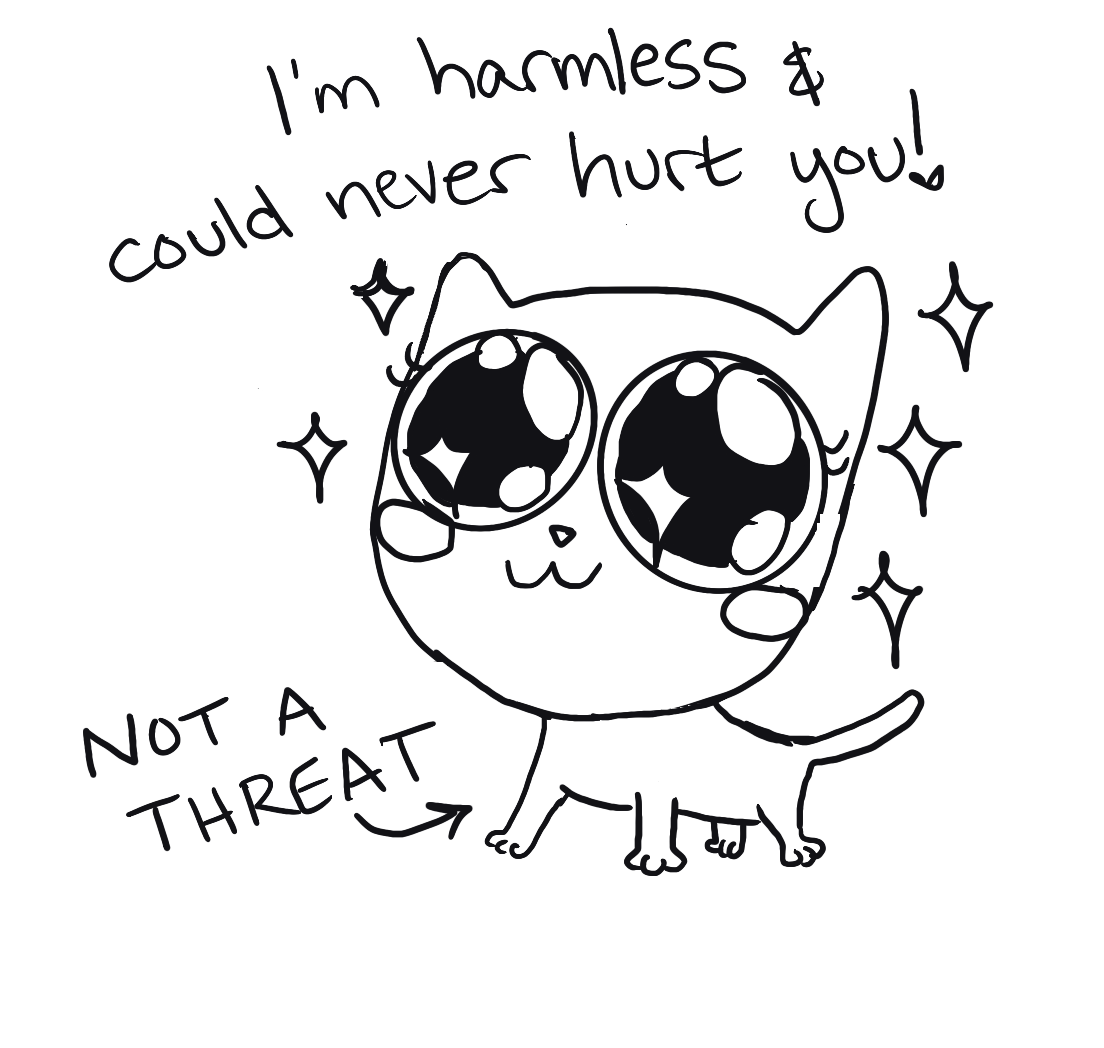
Fawning is an attempt to appear as harmless as possible as a means of avoiding or ending the conflict. This person may take on childish characteristics or ways of speaking, may become very overly accommodating, or say whatever they feel the other person wants to hear. The goal of fawning is to end conflict or avoid conflict altogether. Later on, you may hear yourself defending the other person’s inappropriate behaviors. You might make excuses for them, or minimize the impact they had on you.
Freeze
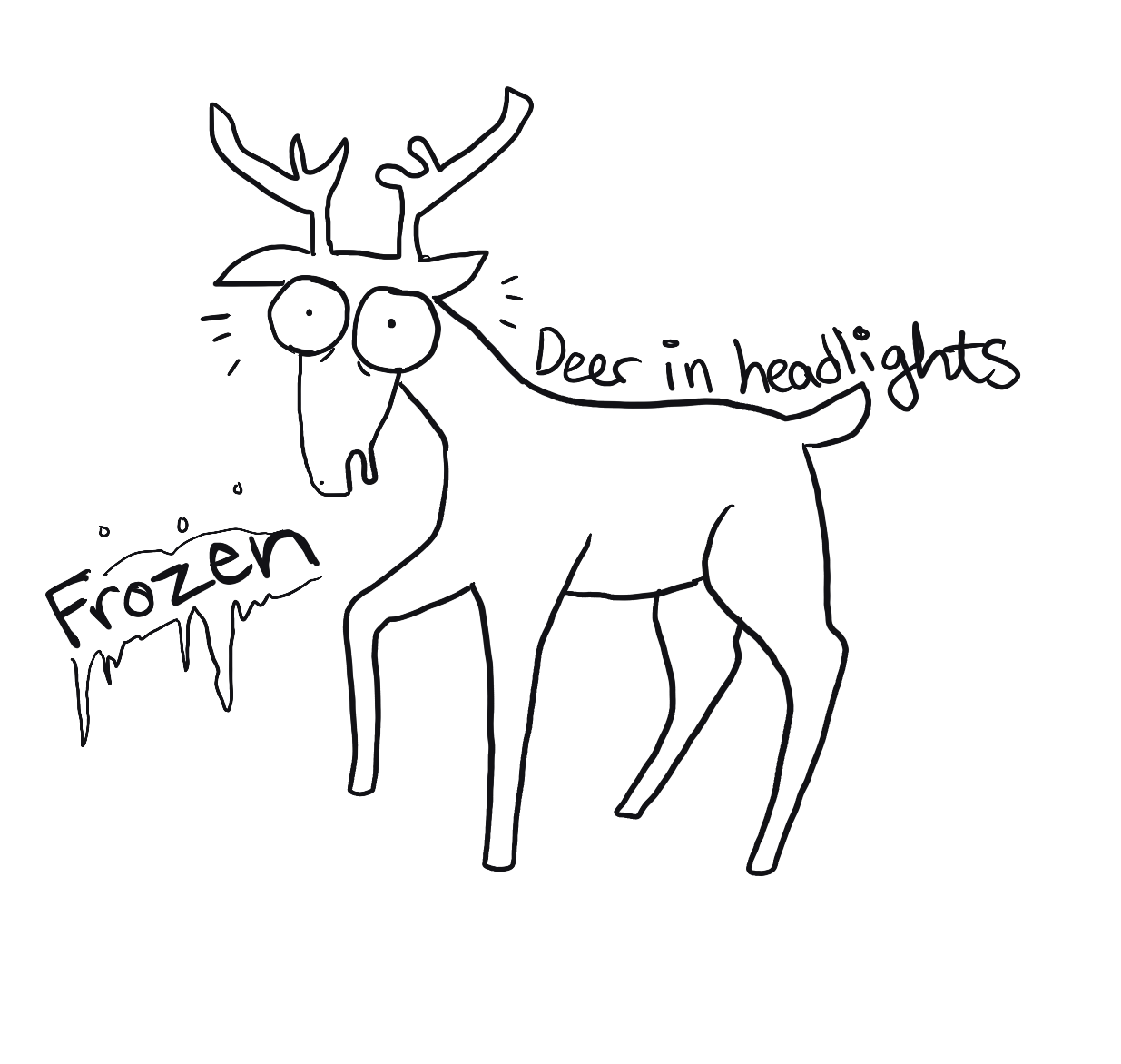
Freezing happens when the brain flips over into threat mode. The prefrontal cortex, the thinking and planning part of the brain, becomes much less active. This makes it hard to think clearly, get words out of your mouth, think of options, or even move. Even though you know you’re in danger, it feels that you can’t do anything about it once you’re frozen. Freezing up in a threatening situation isn’t your fault; it’s your brain’s attempt at protecting you. At its far extreme, your body may involuntarily pass out. This unresponsiveness is, again, the body’s attempt to bring calm and homeostasis back to yourself. Later on, you may feel that there are gaps in your memory when it comes to recalling this stressful confrontation. Literally, your brain’s ability to form new memories was impeded when you switched into frozen mode. It’s no wonder details are hard to recall.
Flight
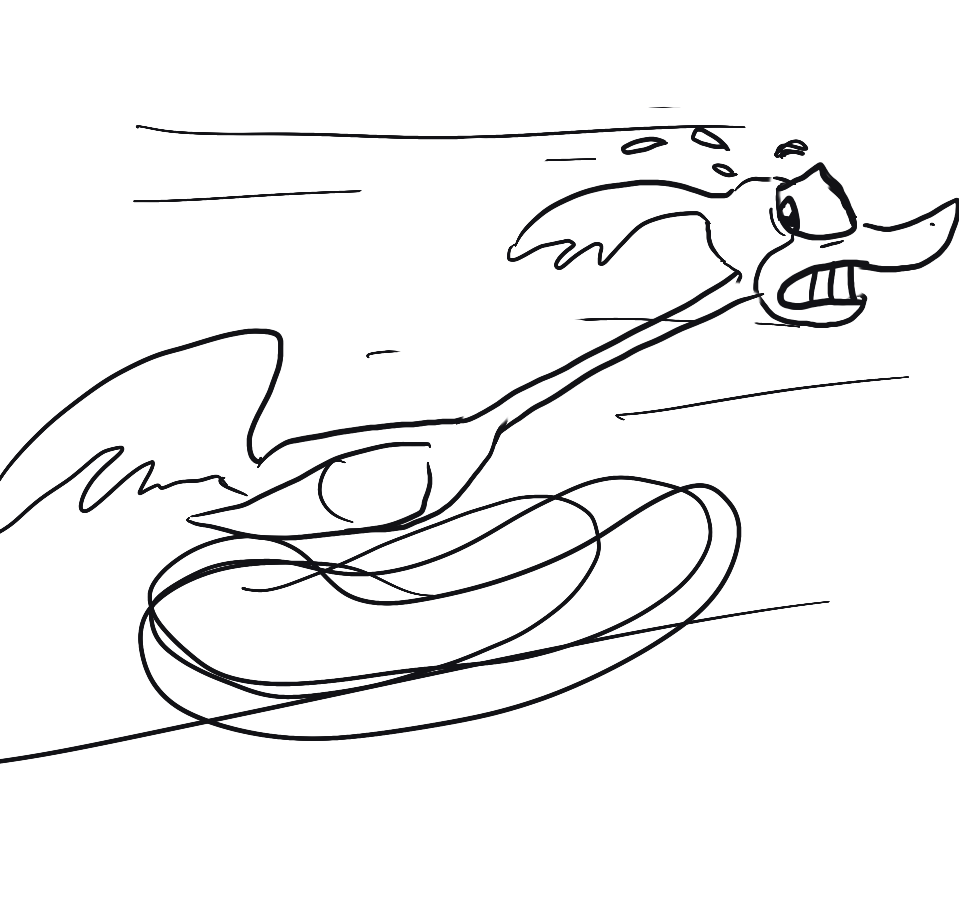
This response to threat is one of increased energy. You are suddenly very antsy, looking for the nearest door, trying to come up with excuses for leaving all of a sudden. You may start sweating or feel panic attack symptoms. If there was an “Eject” Button that would rocket-boost you and your seat out of that place, you would punch it in a heartbeat. Later is when you think of all the things that you wish you would have said in the situation.
Fight
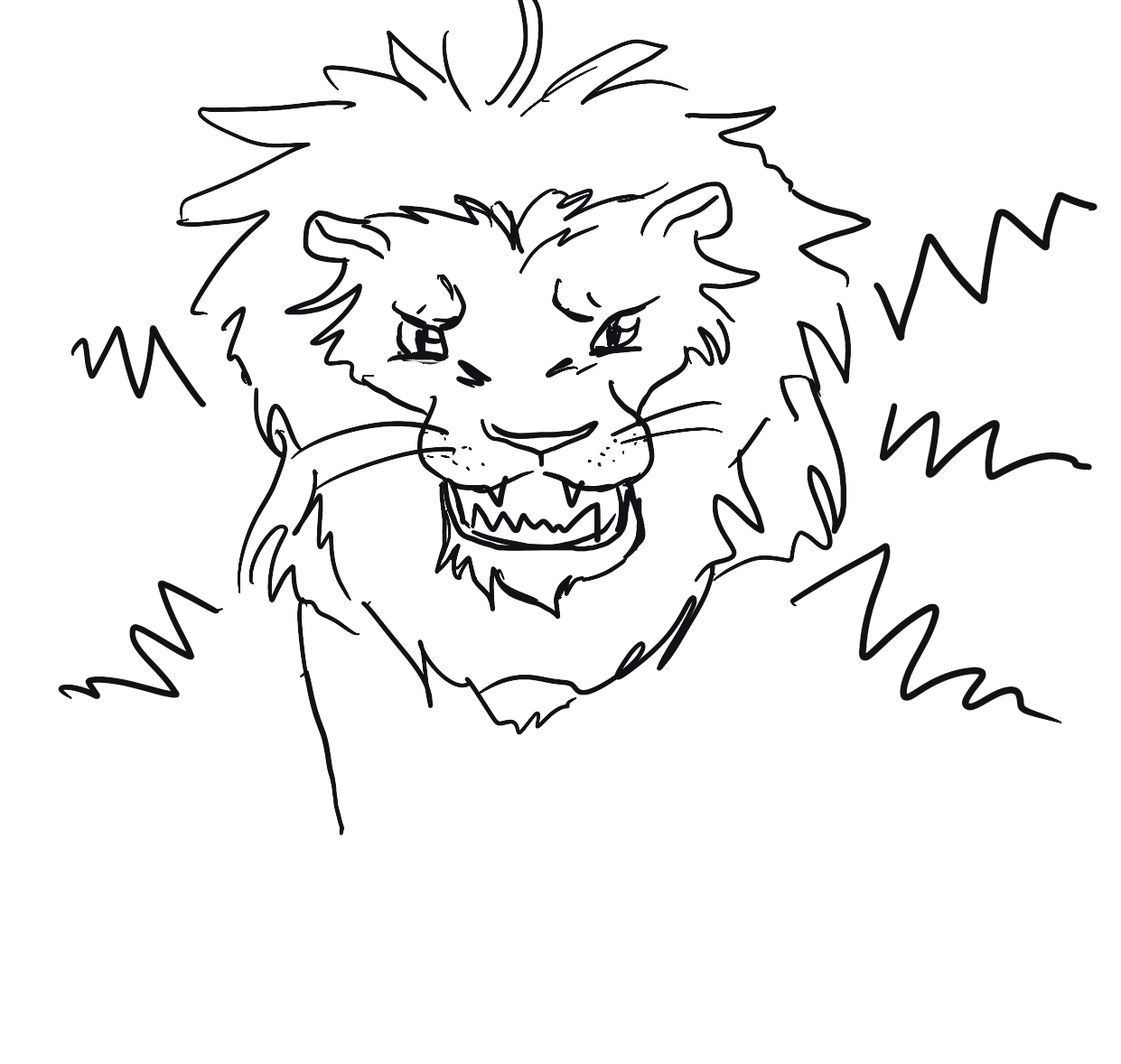
The gloves are off now. This can sound like passive aggressive comments, confrontation, louder voices, cussing. It can look like angry faces, tense bodies, and even physical force if taken to its extreme. If taken to its extreme, you start to “see red”. Your brain is attempting to protect you by fighting off the perceived threat, but you may really regret what you did and said later when you are calmer.
Your Stress Response System: Subconsciously trying to protect you
We are good at consciously differentiating emotional tension from someone threatening us with a knife; but our subconscious brains are not. Anything that triggers our threat response (7 or above on the SUDS scale), whether someone stole our cookie, accused us of being irritating, we flopped a work presentation, or someone is trying to mug us- all can initiate the same body and brain reactions because our reacting stress response system (SUDS 7-10) can’t differentiate threat levels the way our think-and-respond brains can (SUDS 1-6).
The goal is to use de-escalation strategies before level 7, when we still have access to the thinking parts of the brain. When we can think and respond, instead of blindly reacting. Even at these lower levels of activation, stress is still stressful. Obviously. You may experience uncomfortable sensations such as:
- Shortness of breath
- Pounding heart
- Sweatiness
- Upset stomach or gut
- Suddenly too much energy, antsy
- Suddenly your energy takes a dive, exhausted
But if you are able to start identifying strategies to calm yourself down once you’ve identified that your stress level has escalated, then you can start to be able to respond more like you’d like to, and much more comfortably. Those bodily stress symptoms only worsen as your stress levels increase. It’s very difficult and uncomfortable to be up at a level 8, while trying to have a conversation with a significant other about household chores and parenting. That conversation is much more productive if you are able to engage in that conversation when you are down at a level 2 or 3 instead.
For strategies and resources you can use to help calm yourself down when you notice that you are reacting to stress, check out my post on “Understanding Stress: Problems and Solutions”. Additionally, you can also read through my post on “How Jesus Handled Anxiety and Suffering” for a Biblical lens on the issue.
Take care, friends,
Rachel
 Fox Family Counseling